
Product Launching Platforms: 15 Best Websites to Launch and Promote Your Product in 2026
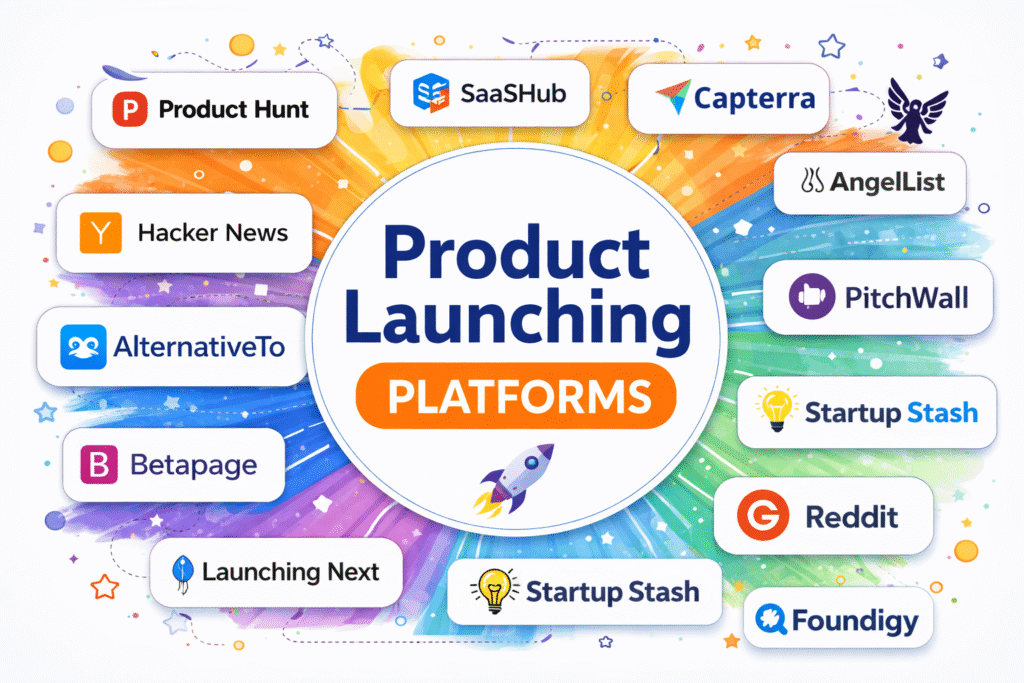
Building a product is only half the battle in today’s startup ecosystem. The real challenge begins when founders try to introduce their product to the world. Thousands of startups launch every year, but only a small percentage manage to gain real attention from users. This happens not because the products are bad, but because they fail to reach the right audience at the right time. That is why product launching has become one of the most important strategies for startups in the digital age.
In the past, companies relied heavily on expensive marketing campaigns, PR agencies, and traditional advertising to introduce a new product launch to the market. Today, the internet has transformed that process. Founders can now reach global audiences instantly using digital platforms that specialize in startup discovery. These platforms help startups showcase their products, attract early adopters, and generate buzz around their innovations.
A well-planned product launching strategy does more than just announce a product. It helps startups build credibility, attract feedback, and generate early traction that can later translate into long-term growth. When a startup prepares an online product launch, it can reach thousands of potential users without spending massive marketing budgets. This makes launch platforms extremely valuable for indie developers, bootstrapped startups, and small teams.
Another important aspect of product launching is visibility. Even if a product solves a real problem, it will struggle to grow if people cannot discover it. Launch platforms act as discovery engines where users actively search for new tools, apps, and services. These platforms connect founders with early adopters who are excited to explore new technology and provide feedback.
Startups that want to scale internationally also benefit from these platforms. A strong global product launch can attract users from multiple countries within a short period. Instead of focusing on a single local market, founders can immediately expose their product to a worldwide audience.
In this guide, we will explore the best product launching platforms that startups can use to promote their tools in 2026. Whether you are preparing for a new product release, testing a beta version, or planning a large-scale online product launch, these platforms can help you gain the exposure needed to grow your startup successfully
1. Foundigy
Foundigy is quickly emerging as one of the most promising platforms for product launching and startup discovery. Unlike traditional directories that simply list products, Foundigy focuses on helping startups present their products in a meaningful and discoverable way. The platform is designed to connect innovative tools with founders, marketers, and early adopters who are actively searching for new solutions.
One of the most powerful aspects of Foundigy is its SEO-focused listing structure. Every product submission is designed to help startups gain search engine visibility. This means founders are not only promoting their tools on a discovery platform but also building long-term visibility in search engines. For startups planning a new product launch, this can be extremely valuable because it combines discovery with organic traffic potential.
Another major advantage of Foundigy is keyword integration. Instead of simply adding a product description, founders can structure their listing around relevant keywords. This approach allows the product page to rank for niche queries related to the tool’s functionality. Over time, this can attract targeted visitors who are actively searching for solutions, making Foundigy a powerful tool for startups focused on sustainable growth.
Foundigy also encourages storytelling as part of the listing process. Instead of writing generic descriptions, founders can explain the journey behind their product—why they built it, the problem it solves, and the impact it can create. Storytelling helps humanize the product and creates a deeper connection with potential users. When people understand the story behind a product, they are more likely to explore it and share it with others.
For startups preparing an online product launch, Foundigy provides a structured environment where products can stand out through detailed descriptions, feature highlights, and engaging narratives. This makes it a strong candidate for the best product launch platform for startups that want visibility, SEO benefits, and long-term discovery.
As more founders look for sustainable growth strategies, platforms like Foundigy are becoming essential for modern product launching campaigns.
2. Product Hunt
Product Hunt is one of the most well-known platforms in the startup world. It has built a reputation as the go-to website for discovering new apps, tools, and startups. Many successful companies have gained their first wave of users through Product Hunt, making it a powerful platform for product launching.
Every day, new products are listed on the platform and voted on by the community. The voting system allows the most interesting and innovative tools to rise to the top. When a startup appears on the homepage, it can receive thousands of visitors within hours.
For founders planning a new product release, Product Hunt offers an opportunity to reach a community that actively seeks innovative technology. The audience includes developers, marketers, founders, and tech enthusiasts who enjoy discovering new tools.
However, launching on Product Hunt requires preparation. Startups often build anticipation before their online product launch by engaging with the community, preparing promotional content, and coordinating social media campaigns. You can also read about my Product Hunt launch experience to see what happened when I launched my own platform.
Because of its strong reputation and active community, Product Hunt remains one of the most influential product launching platforms for startups around the world.
3. BetaList
BetaList is a platform specifically designed for startups that are still in the early stages of development. Instead of waiting until a product is fully launched, founders can submit their project to BetaList to attract beta testers and early adopters.
This makes BetaList extremely useful for startups preparing a new product launch but wanting feedback before the official release. Early users can test the product, report issues, and provide suggestions for improvement.
For many startups, this early validation is crucial. A successful product launching strategy often begins with gathering feedback from early users who can help refine the product before it reaches a larger audience.
4. Indie Hackers
Indie Hackers is a vibrant community where entrepreneurs share their experiences of building startups. Unlike traditional directories, the platform focuses on conversations, transparency, and collaboration.
Many founders use Indie Hackers to discuss their product launching strategies, share milestones, and promote their tools. The community is highly supportive, making it an excellent place for startups seeking honest feedback.
For founders planning an online product launch, engaging with communities like Indie Hackers can help build relationships and attract early supporters.
5. Hacker News
Hacker News is one of the most influential communities in the tech world. It is run by Y Combinator and attracts developers, engineers, and startup enthusiasts from around the globe.
Although it is not a dedicated product launching platform, many startups successfully introduce their products through Hacker News posts. When a product resonates with the community, the discussion can drive significant traffic.
A well-written post about a new product release can generate thousands of views and bring attention from influential members of the tech ecosystem.
Also Read: Why new product launch platforms are more important than ever in 2026
6. Betapage
Betapage is a well-known platform that focuses on helping startups promote their early-stage products and attract initial users. Unlike traditional directories, Betapage specifically highlights startups that are still in development or preparing for a new product launch. This makes it an ideal platform for founders who want to gather feedback before scaling their marketing efforts.
For startups planning product launching, Betapage provides exposure to a community that actively searches for new tools, SaaS platforms, and digital products. The platform attracts developers, entrepreneurs, and early adopters who enjoy exploring innovative solutions before they become widely known.
One of the advantages of using Betapage for an online product launch is its targeted audience. Instead of promoting your product to a general audience, Betapage connects you with users who are specifically interested in testing and discovering early-stage startups. This increases the chances of receiving valuable feedback that can help improve the product.
If your startup is preparing for a new product release and you want to attract early testers who can provide honest feedback, Betapage is a valuable platform to include in your launch strategy.
7. SaaSHub
SaaSHub is one of the most popular platforms for discovering SaaS products. The platform allows users to explore software tools, compare alternatives, and find solutions based on their needs. For SaaS startups, this makes SaaSHub an excellent platform for product launching and long-term product discovery.
One of the unique aspects of SaaSHub is its strong focus on software alternatives. Many users visit the platform to search for alternatives to well-known tools. If your product competes with an established software solution, listing it on SaaSHub can help you reach users who are actively looking for new options.
For startups planning an online product launch, SaaSHub can bring targeted visitors who are already interested in tools within your category. This increases the chances of attracting users who are more likely to sign up and engage with the product.
Another advantage of SaaSHub is its global reach. The platform attracts users from different industries and countries, making it useful for startups preparing a global product launch. Instead of limiting exposure to a single region, founders can introduce their product to an international audience.
8. AlternativeTo
AlternativeTo is a highly trusted platform where users search for alternatives to popular software applications. The website allows users to compare tools, explore new solutions, and discover software that offers similar features to well-known products.
For startups planning product launching, AlternativeTo provides a unique advantage. Instead of promoting a product to a broad audience, the platform connects you with users who are already searching for alternatives to existing tools. This creates highly targeted exposure.
For example, if your product is a new project management tool competing with platforms like Trello or Asana, listing it on AlternativeTo allows users searching for those tools to discover your solution. This makes the platform extremely effective during a new product launch.
Another benefit of AlternativeTo is its credibility. Users trust the platform because it focuses on community-driven recommendations and comparisons. When your product appears among other established tools, it increases credibility and encourages users to explore your solution.
9. Launching Next
Launching Next is a startup directory that focuses on promoting new and innovative products. The platform was created to help founders showcase their projects and gain exposure among early adopters.
Startups often include Launching Next as part of their product launching strategy because it provides a simple way to present their product to a startup-focused audience. The platform allows founders to add descriptions, screenshots, and links, making it easy for visitors to understand the product’s purpose.
For startups planning an online product launch, Launching Next can serve as an additional channel for visibility. Even though the platform may not generate massive traffic instantly, it contributes to long-term discovery and brand awareness.
Another advantage of Launching Next is its role in supporting a new product release by helping startups build credibility. Being listed on multiple directories signals that the product is part of the startup ecosystem, which can encourage more users to explore it.
10. Startup Stash
Startup Stash is a curated directory that features tools, resources, and services useful for entrepreneurs and startup teams. The platform organizes products into categories, making it easier for users to discover tools related to specific business needs.
For startups planning product launching, Startup Stash offers an opportunity to reach an audience that is already interested in entrepreneurship and productivity tools. Many founders visit the platform to explore resources that can help them build and grow their businesses.
One advantage of Startup Stash is its curated nature. Unlike open directories where thousands of products compete for attention, Startup Stash carefully selects tools to include in its listings. This gives featured products more credibility and visibility.
For startups preparing an online product launch, being listed on Startup Stash can help build trust among early users. When entrepreneurs see a product recommended on a curated resource platform, they are more likely to explore it.
11. PitchWall
PitchWall is a platform that allows startups to present their products and ideas to a global audience. The website acts as a showcase where founders can highlight their innovations and connect with potential users.
For startups planning product launching, PitchWall offers an opportunity to present their product in a structured format that explains its value and purpose. This helps visitors quickly understand the problem the product solves.
One of the key benefits of PitchWall is its international audience. The platform attracts users from different regions, making it useful for startups planning a global product launch.
Another advantage is that PitchWall supports storytelling elements in product presentations. Founders can explain the vision behind their product and the journey that led to its creation. This storytelling approach helps create stronger emotional connections with potential users.
12. G2
G2 is one of the largest and most trusted software review platforms in the world. Businesses rely on G2 to compare tools, read reviews, and evaluate different software solutions before making purchasing decisions.
Although G2 is not strictly a discovery platform, it plays a major role in product launching strategies for SaaS startups. Listing a product on G2 allows users to leave reviews and share their experiences with the software.
For startups planning a new product release, positive reviews on G2 can significantly improve credibility. When potential customers see authentic feedback from real users, they are more likely to trust the product.
Another benefit is that G2 pages often rank highly in search engine results. This means your online product launch can continue generating traffic long after the initial launch period.
For SaaS companies focused on long-term growth, G2 is an essential platform that supports both reputation building and ongoing visibility.
13. Capterra
Capterra is another widely recognized software directory where businesses search for digital tools and solutions. The platform allows users to compare products, read reviews, and evaluate different software options.
For startups planning product launching, Capterra provides access to a professional audience that includes business owners, marketers, and decision-makers.
One of the advantages of Capterra is its strong reputation in the software industry. Being listed on the platform increases credibility and signals that the product is a serious solution for business needs.
For startups preparing a global product launch, Capterra offers exposure to users from multiple industries and regions. This can help startups expand beyond their initial market and attract international customers.
14. AngelList
AngelList is a well-known platform that connects startups with investors, talent, and opportunities. Many founders use AngelList to showcase their startup and attract attention from the startup ecosystem.
For startups planning product launching, AngelList can serve as a credibility-building platform. Listing your product and company profile allows potential users and investors to learn more about your startup.
Another benefit is that AngelList attracts professionals who are interested in innovative startups. This audience often includes developers, marketers, and investors who may support the startup’s growth.
For startups preparing a new product release, AngelList helps create visibility within the entrepreneurial community.
15. Reddit
Reddit is one of the largest online communities where people discuss technology, startups, and innovation. Thousands of niche communities, known as subreddits, focus on topics related to software, entrepreneurship, and digital tools.
For startups planning an online product launch, Reddit can drive highly targeted traffic when used correctly. By sharing your product in relevant communities such as startup or SaaS discussions, founders can attract users who are genuinely interested in trying new tools.
However, successful product launching on Reddit requires a thoughtful approach. Instead of directly promoting the product, founders should focus on sharing their story, explaining the problem they solved, and engaging with the community.
When done correctly, Reddit discussions can generate valuable feedback and introduce a new product launch to thousands of potential users
Final Thoughts
Launching a startup product successfully requires more than simply releasing it online. Founders must create visibility, attract early adopters, and build credibility within their industry. This is why product launching has become a critical part of every startup’s marketing strategy.
By leveraging the right product launching platforms, startups can dramatically increase their chances of success. These platforms provide access to communities that are actively searching for innovative tools and solutions.
Whether you are preparing a small online product launch or planning a large global product launch, the platforms mentioned in this guide can help you reach new audiences and generate meaningful traction.
A successful product launching campaign combines strong storytelling, community engagement, and strategic promotion. When executed effectively, it can transform a simple new product launch into a powerful growth engine for your startup.

Harman Singh is the founder of Foundigy and a digital marketing professional building his career in SEO, content, and the technology space. He is passionate about discovering emerging products, understanding how people find them online, and creating content that makes complex digital topics easier to understand. His work combines his experience in SEO with his interest in startups, technology, and the evolving digital landscape.