
Top Calendly Competitors in 2026: Better Scheduling Tools

Scheduling meetings used to involve endless email chains, confusing calendar coordination, and constant back-and-forth communication. Over the past decade, tools like Calendly have transformed the way individuals and businesses schedule meetings by providing simple booking links and automated availability management. However, as scheduling needs evolve and users demand more flexibility, many professionals are now exploring Calendly competitors that offer unique features, improved pricing models, and better customization.
While Calendly remains one of the most widely recognized scheduling platforms, it is no longer the only solution available. The scheduling software market has grown significantly in recent years, introducing a wave of innovative tools designed to solve specific problems that users often face with traditional scheduling platforms. From better calendar synchronization to simpler free plans, many emerging tools are now competing directly with Calendly.
This rise in Calendly competition is actually a positive development for users. More competitors mean more choices, better pricing, and more specialized features. Businesses can now select scheduling software that fits their exact workflow instead of adapting their processes around a single dominant tool.
Another reason professionals explore Calendly competitors is the increasing demand for more advanced scheduling capabilities. Modern teams often manage multiple calendars across different platforms, work across multiple time zones, and require scheduling tools that integrate seamlessly with other productivity software. In such scenarios, relying on a single platform may not always be the best solution.
Additionally, many users searching for Calendly alternatives are motivated by limitations in pricing tiers or feature availability. Certain advanced features are locked behind paid plans, and smaller teams or freelancers may prefer tools that offer more flexibility within their free versions. This is where the growing ecosystem of free Calendly alternatives and competitor tools becomes especially valuable.
In this guide, we will explore some of the most promising Calendly competitors currently available in the scheduling software landscape. Instead of simply listing tools, we will examine how these competitors compare with Calendly, the problems they solve, and which type of users they are best suited for.
Specifically, we will focus on two powerful tools that directly compete in the scheduling space:
- Multical – a multi-calendar synchronization and management platform
- Cal-ID – a free scheduling solution for meetings and appointments
By the end of this article, you will understand how these tools fit into the broader Calendly competition, what advantages they offer, and which scheduling solution may be the right choice for your workflow in 2026
Multical: A Powerful Scheduling Tool
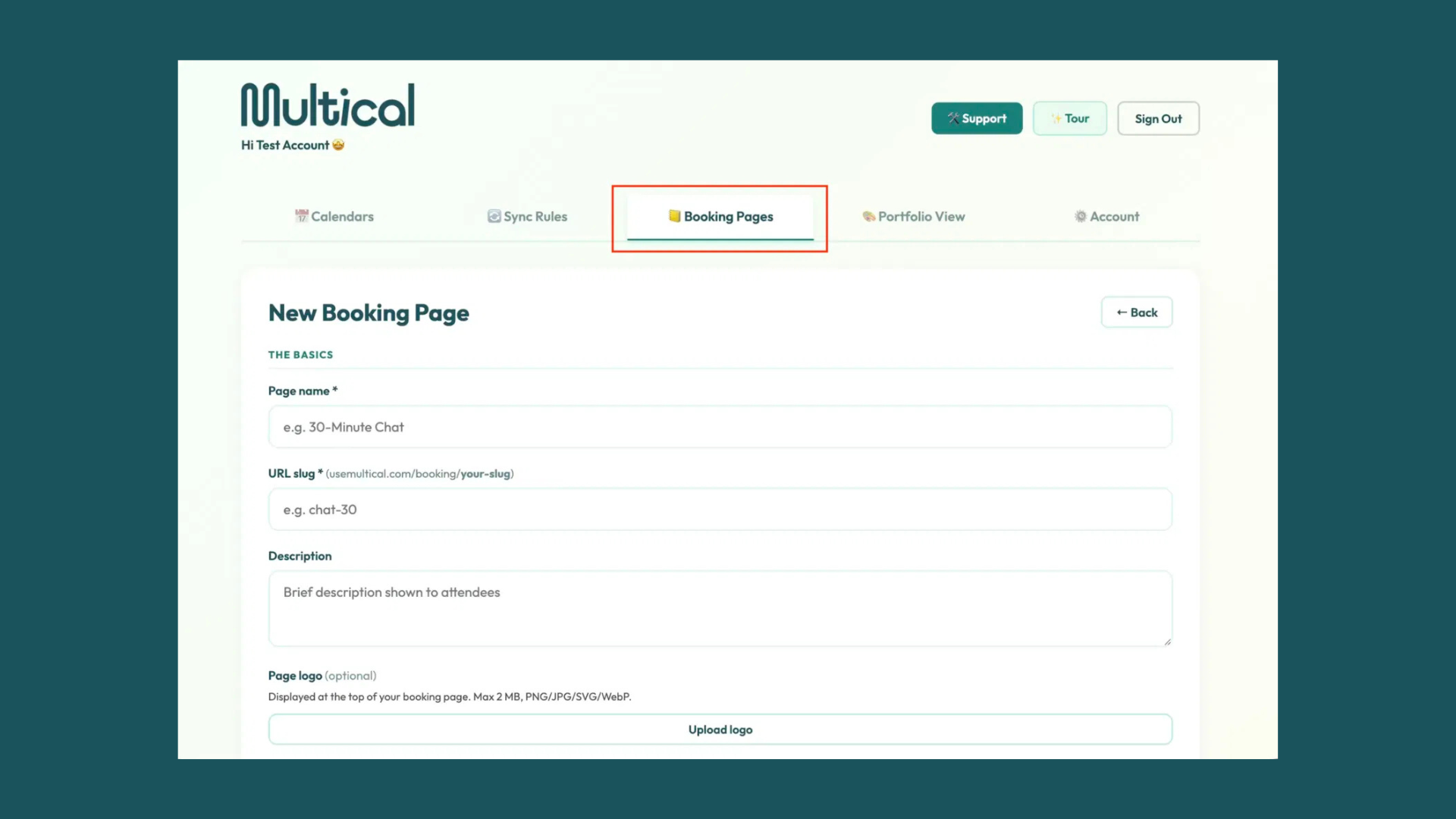
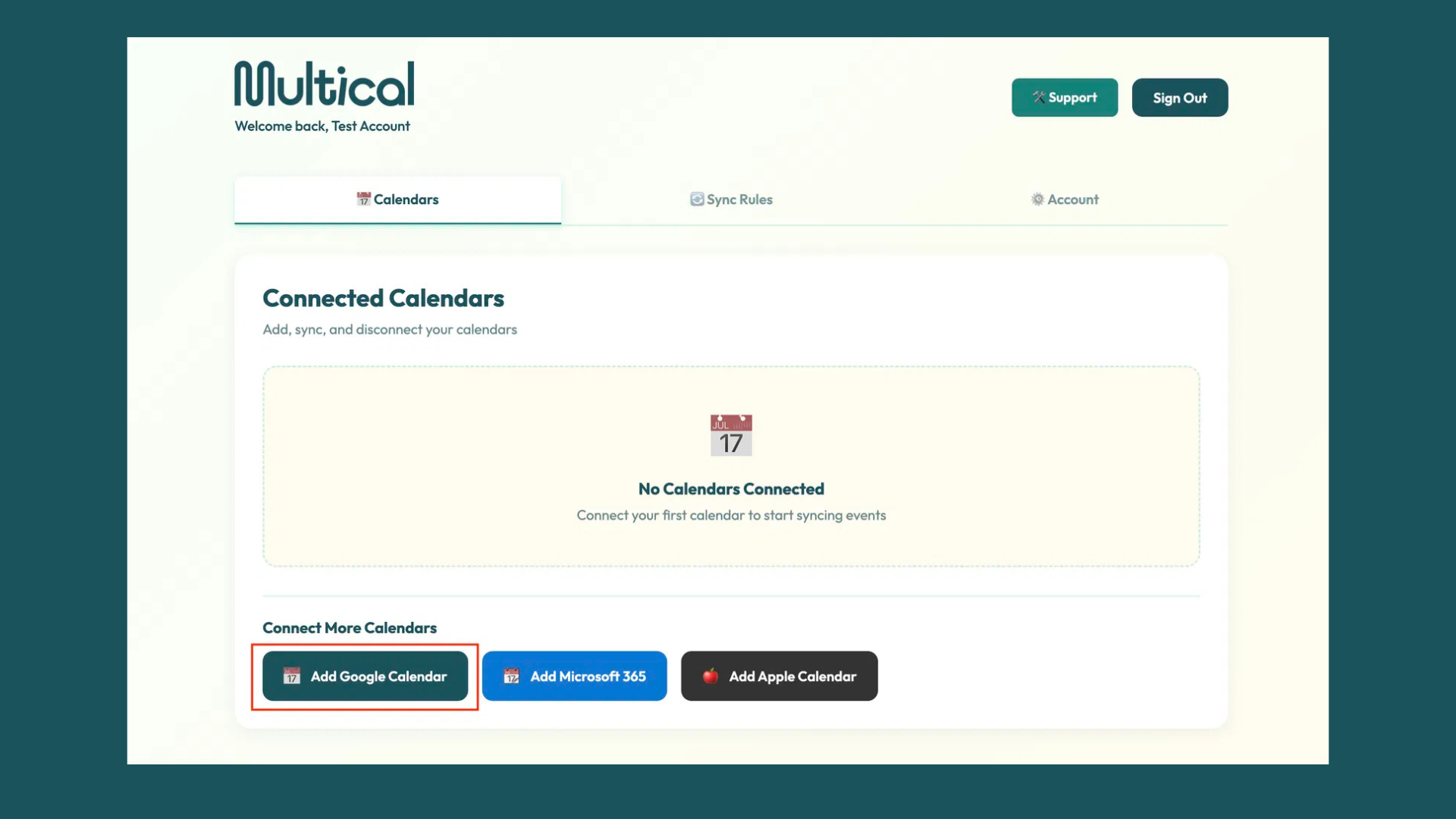
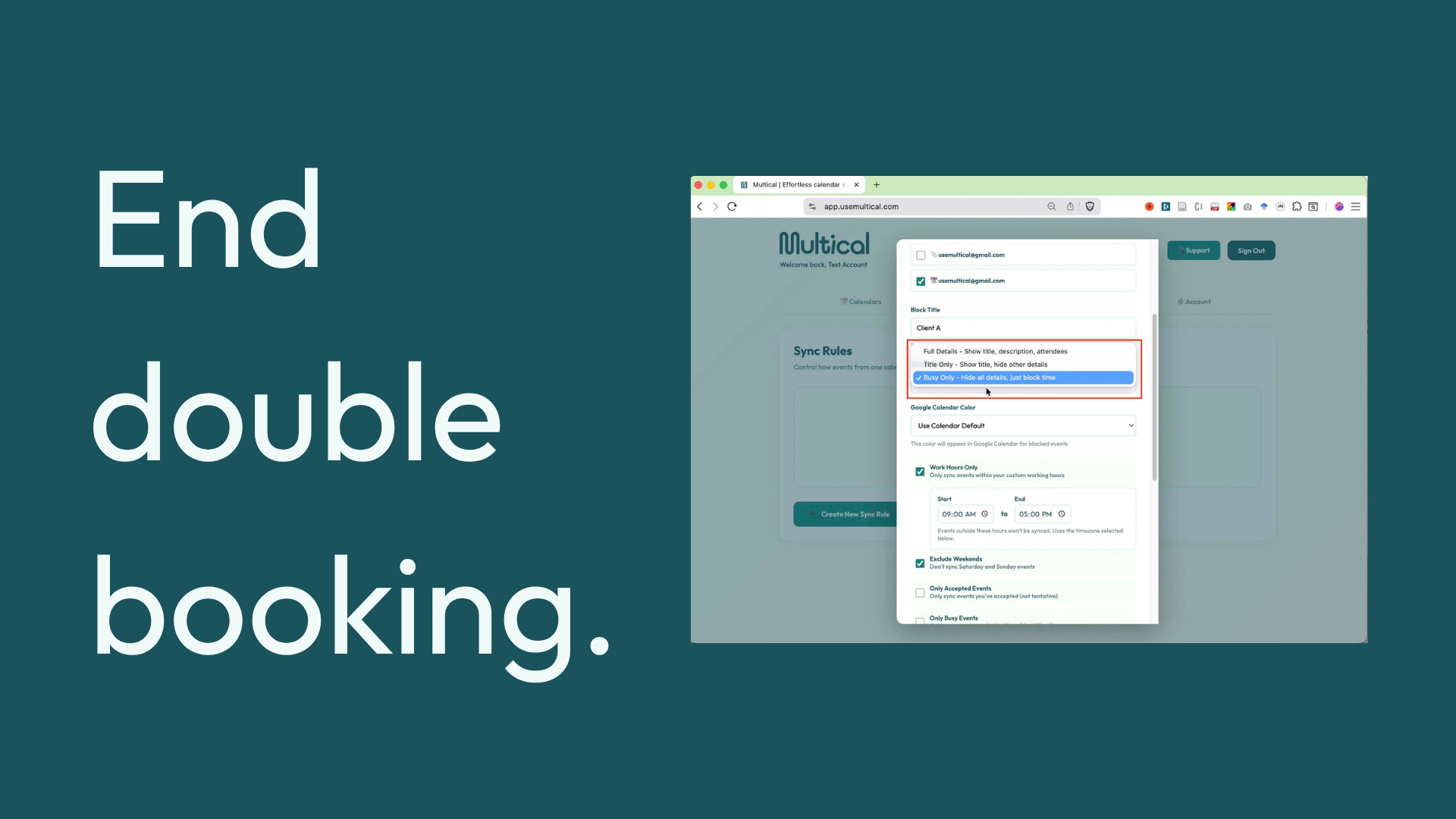
Among the emerging Calendly competitors, Multical stands out for its strong focus on multi-calendar management and synchronization. While many scheduling platforms focus primarily on booking links and appointment forms, Multical takes a different approach by helping users manage multiple calendars efficiently in one unified dashboard.
- For professionals who rely on several calendar platforms simultaneously, keeping schedules aligned can be challenging. Many people use Google Calendar for personal appointments, Outlook for corporate meetings, and additional calendars for projects or collaborations. Managing these different calendars without a centralized tool often leads to scheduling conflicts and missed appointments.
- Multical addresses this issue by providing a centralized environment where multiple calendars can be connected and synchronized in real time. Instead of switching between different applications, users can view all their commitments from a single interface, making scheduling significantly more efficient.
- Another reason Multical is gaining attention among Calendly competitors is its ability to prevent double bookings. One of the most common problems professionals face when managing several calendars is accidentally scheduling overlapping meetings. Multical automatically detects availability across all connected calendars, ensuring that appointment slots are only offered when the user is truly available.
- The platform also supports integrations with popular calendar providers such as Google Calendar, Outlook, and Apple Calendar. This cross-platform compatibility makes it particularly useful for professionals working with diverse teams and clients who may use different scheduling systems.
- Multical also introduces a smarter approach to scheduling visibility. Instead of simply generating booking links, the platform allows users to monitor upcoming meetings, calendar conflicts, and scheduling gaps in a single dashboard. This level of visibility is especially valuable for professionals managing busy schedules, consultants handling multiple clients, or teams coordinating projects across different time zones.
- Another area where Multical competes strongly within the Calendly competition is time zone management. Global collaboration has become the norm in many industries, and scheduling meetings across multiple regions can be complicated. Multical automatically adjusts meeting times according to participants’ time zones, reducing the chances of confusion or missed meetings.
- In addition to its core scheduling features, Multical also focuses on productivity. By consolidating multiple calendars into one platform, users spend less time navigating between different apps and more time focusing on their work. This streamlined approach is one of the key reasons why many professionals searching for Calendly alternatives consider Multical a compelling option.
Overall, Multical represents a new wave of Calendly competitors that aim to improve scheduling through smarter calendar management rather than just appointment booking.
Explore Complete Details: (https://foundigy.com/multical-calendar-sync-tool-multi-calendar-management/)
Cal-ID: A Simple and Free Scheduling Solution
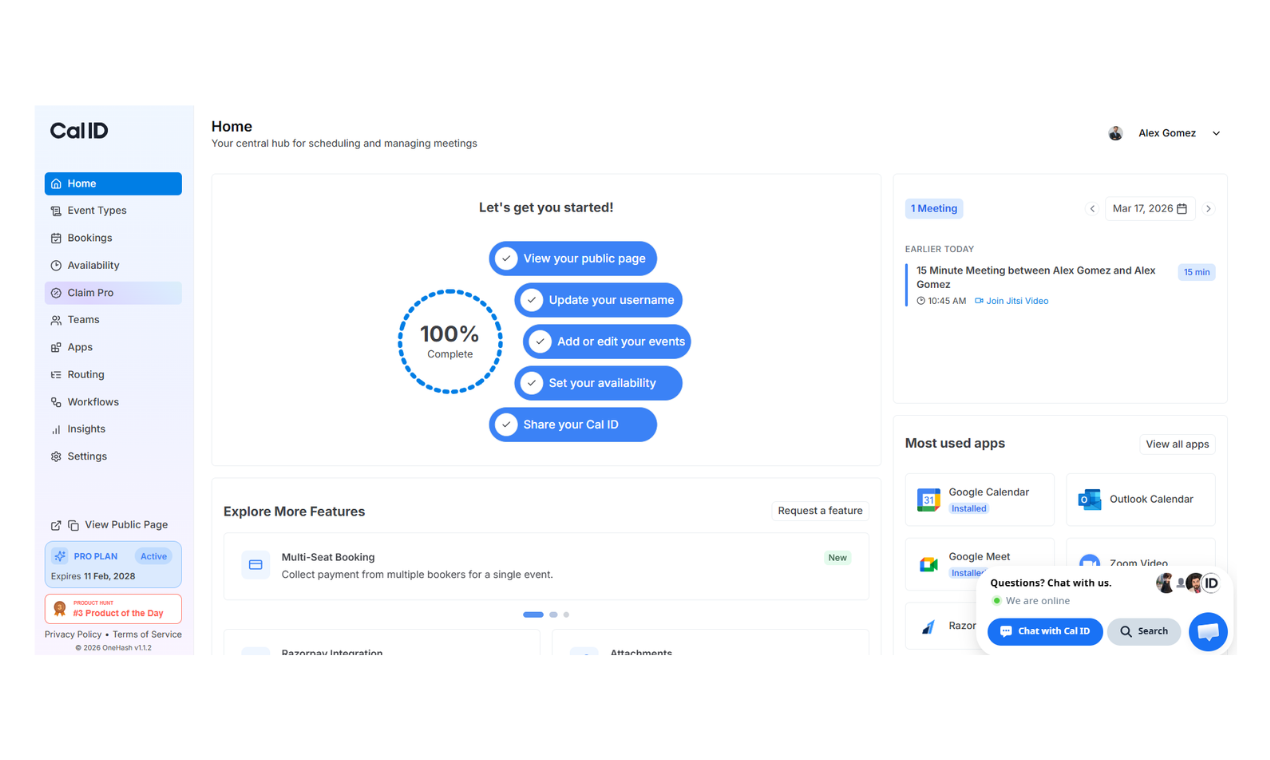
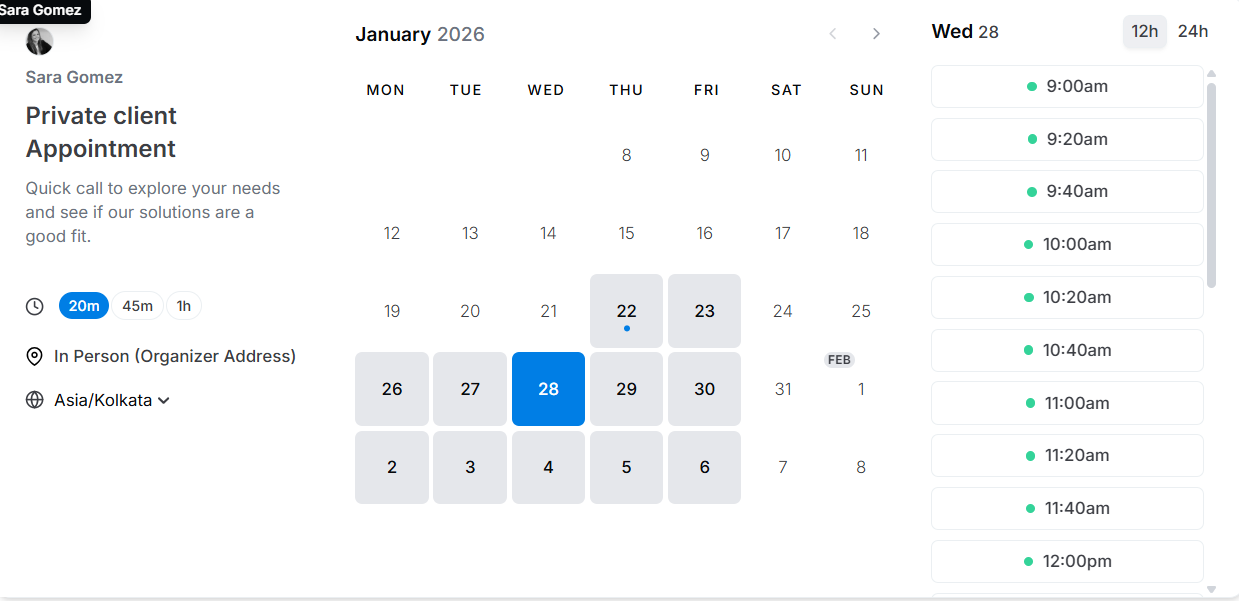
Another notable entry in the growing landscape of Calendly competitors is Cal-ID. While some scheduling platforms focus on advanced features and enterprise capabilities, Cal-ID emphasizes simplicity, accessibility, and affordability.
- For freelancers, startups, and small teams, complex scheduling systems can sometimes feel overwhelming. These users often need a straightforward way to share their availability and allow clients or colleagues to book meetings without unnecessary complications. Cal-ID is designed with this exact purpose in mind.
- One of the most appealing aspects of Cal-ID is that it belongs to the category of free Calendly alternatives. Many scheduling platforms offer free plans but restrict essential features behind premium subscriptions. Cal-ID takes a different approach by providing core scheduling functionality without forcing users into immediate upgrades.
- With Cal-ID, users can create booking links that allow others to schedule meetings based on their available time slots. The platform automatically updates availability to ensure that scheduled appointments are reflected in connected calendars. This eliminates the traditional back-and-forth communication that often occurs when coordinating meeting times.
- Another advantage of Cal-ID within the broader Calendly competition is its user-friendly interface. The platform is designed to be intuitive, meaning even users with limited technical experience can set up scheduling pages within minutes. For many freelancers or independent professionals, this simplicity is a major benefit.
- Customization is another feature offered by Cal-ID. Users can create personalized booking pages that include meeting types, descriptions, and availability settings. This allows professionals to present a more organized and professional scheduling experience to their clients.
- Cal-ID also supports integration with existing calendar systems so that scheduled meetings automatically appear in users’ personal calendars. This ensures that appointments remain synchronized without requiring manual updates.
- Compared with many other Calendly competitors, Cal-ID focuses on delivering essential scheduling capabilities rather than overwhelming users with complex features. This approach makes it particularly appealing for individuals who simply need a reliable tool to manage appointments.
For anyone exploring Calendly alternatives that are both simple and cost-effective, Cal-ID offers a compelling solution.
Explore Complete Details: (https://foundigy.com/cal-id-free-scheduling-software-meetings-appointments/)
Calendly vs Multical
Both Calendly and Multical help users schedule meetings, but their strengths differ. Here’s a detailed comparison:
Feature | Calendly | Multical |
Calendar Management | Primarily designed for single calendar workflows | Strong multi-calendar management |
Double Booking Prevention | Works well with one calendar but can become complex with multiple accounts | Automatically synchronizes multiple calendars to prevent conflicts |
Real-Time Sync | Updates availability but depends on connected calendars | Real-time synchronization across multiple calendars |
Time Zone Handling | Good for basic scheduling | Designed for global collaboration and time zone flexibility |
Dashboard Visibility | Simple booking management | Advanced scheduling overview with unified calendar view |
Calendly vs Cal‑ID
Cal‑ID focuses on free, simple scheduling, making it a great free Calendly alternative. Here’s how the two compare:
Feature | Calendly | Cal-ID |
Pricing | Free plan available but limited features | Strong free scheduling capabilities |
Ease of Use | Easy but includes many advanced options | Extremely simple and beginner friendly |
Booking Links | Core feature | Also provides simple booking links |
Customization | Available in paid plans | Basic customization available |
Best For | Teams and professionals needing automation | Freelancers and individuals seeking simple scheduling |
Why You Should Choose Multical
- Powerful Calendar Synchronization – Multical can sync with multiple platforms such as Google Calendar, Outlook, and iCal. This ensures that your meetings are always up-to-date across all your devices, reducing the risk of double bookings.
- Unified Dashboard – All your schedules are displayed in a single dashboard, giving you a clear overview of your daily, weekly, and monthly appointments. This helps you plan your time more efficiently and avoid missing important commitments.
- Conflict Management – Multical automatically detects scheduling conflicts and alerts you before they happen. This feature saves time and frustration by preventing overlapping meetings and keeping your workflow smooth.
- Ideal for Complex Schedules – If you manage multiple calendars or coordinate with several teams, Multical simplifies the process. It consolidates everything in one place, making it easier to manage busy and intricate schedules.
- Productivity Boost – By automating calendar updates and reminders, Multical frees you from manual tracking. You can focus more on your work and less on administrative tasks, improving overall productivity.
Why You Should Choose Cal-ID
- Simplicity First – Cal-ID offers a clean, intuitive interface that anyone can navigate easily. Its focus is on making scheduling quick and straightforward without unnecessary features.
- Quick Meeting Setup – Scheduling appointments takes only a few clicks with Cal-ID. This speed is especially useful for freelancers, consultants, or small teams who need to book meetings efficiently.
- Accessibility – Cal-ID works well on both desktop and mobile devices. This ensures that you can schedule or manage appointments anytime, anywhere, without technical difficulties.
- Lightweight Tool – Unlike complex scheduling platforms, Cal-ID doesn’t overwhelm users with too many features. It is perfect for those who need a focused, no-fuss solution.
- Reduced Learning Curve – Since it is simple and intuitive, Cal-ID requires little to no learning. Users can start managing their appointments effectively from day one.
Why You Might Stick to Calendly
- Proven Reliability – Calendly has been a trusted scheduling platform for years, used by millions worldwide. Its stability and consistent performance make it a safe choice for professional scheduling.
- Wide Integrations – Calendly integrates with popular tools like Zoom, Google Meet, Slack, and CRM systems. These integrations make managing meetings and client communication seamless.
- Feature-Rich – Calendly offers advanced options such as automated reminders, round-robin scheduling, and team scheduling. These features make it ideal for both individual users and large teams.
- Flexible Plans – It provides a free plan for basic scheduling needs and premium options for more advanced features. This flexibility allows users to choose a plan that fits their budget and requirements.
- Familiarity and Trust – Many businesses and clients already use Calendly, making it easier to coordinate appointments. Its reputation and wide adoption make it a reliable platform for professional communication.
Conclusion
The scheduling software landscape continues to evolve rapidly, and the dominance of a single platform is no longer guaranteed. While Calendly remains a widely used tool, the rise of innovative Calendly competitors is reshaping how professionals manage meetings and appointments.
Platforms like Multical and Cal-ID demonstrate how new tools can address different scheduling challenges. Multical focuses on solving multi-calendar complexity, while Cal-ID emphasizes simplicity and accessibility for everyday scheduling needs.
As the Calendly competition grows, users benefit from increased choice, better features, and more flexible pricing options. Whether you are searching for powerful Calendly alternatives or exploring free Calendly alternatives, the modern scheduling ecosystem offers numerous solutions.
By evaluating your workflow and identifying your scheduling priorities, you can select a tool that truly supports your productivity and collaboration needs.
The future of scheduling software will likely continue to evolve, but one thing is clear: the growing number of Calendly competitors ensures that professionals have more options than ever before when managing their time efficiently.