Top 10 Product Discovery Platforms for Startups in 2026
If you’re launching a startup in 2026, building the product may not be your biggest problem anymore. Getting people to discover it is.
AI and no-code tools have made it easier than ever to build SaaS, AI tools, fintech products, creator platforms, and other new products. But as more startups launch, getting attention has become harder. A great product can easily get buried among hundreds of competing launches.
That’s why product discovery matters. The right product discovery platform can put your startup in front of people actively looking for new products, software, and solutions.
But which platform should you actually use? A platform that works for an early-stage startup looking for feedback may not be the right choice for a SaaS company trying to reach buyers or build long-term search visibility.
So instead of simply listing platforms, this guide breaks down 10 product discovery platforms for startups in 2026 and helps you choose the right one based on what you’re trying to achieve.
Which Product Discovery Platform is Right for Your Startup?
| Your goal | Platform to consider |
|---|---|
| Validate an early idea | LaunchDB |
| Get your first users | Foundigy |
| Reach B2B buyers | Software Finder |
| Get developer feedback | DevHunt |
| Get launch exposure | LaunchBuff |
| Build long-term startup visibility | Tiny Startups |
| Reach startup-focused audiences | Startups.fm |
| Reach early-stage founders | Scrappy Startups |
| Discover SaaS, AI & indie products | Fazier |
| Launch and discover small products | TinyLaunch |
The 10 Product Discovery Platforms to Consider in 2026
1. Foundigy
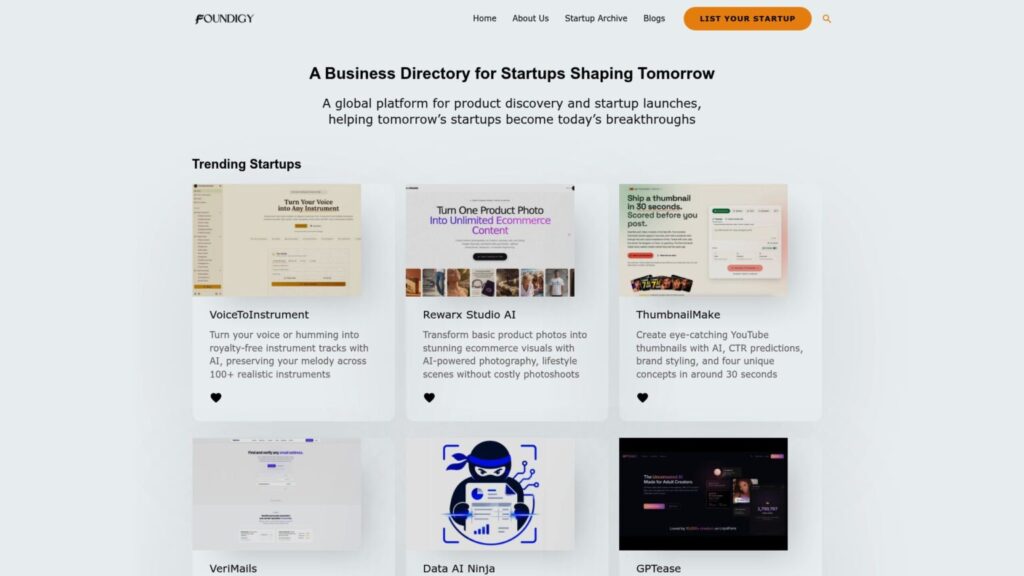
Foundigy is a product discovery platform that helps startups get their products discovered by the right audience. Launching a product is one thing. Getting it in front of people who are actually looking for it is another. Foundigy helps startups, SaaS companies, and AI products create searchable product listings built around relevant keywords. This gives founders an opportunity to target searches related to their product and attract more relevant users beyond the initial launch.
Ask yourself: Can a product discovery platform actually bring users, or is it just another launch announcement?
There is some real-world evidence worth considering. FormMill reported getting 50+ signups after launching on Foundigy. Read their full launch experience. Foundigy has also been discussed on Indie Hackers around the question of whether product discovery should continue beyond launch day. Read the Indie Hackers discussion
Want to list your product? Submit it to foundigy
2. Software Finder
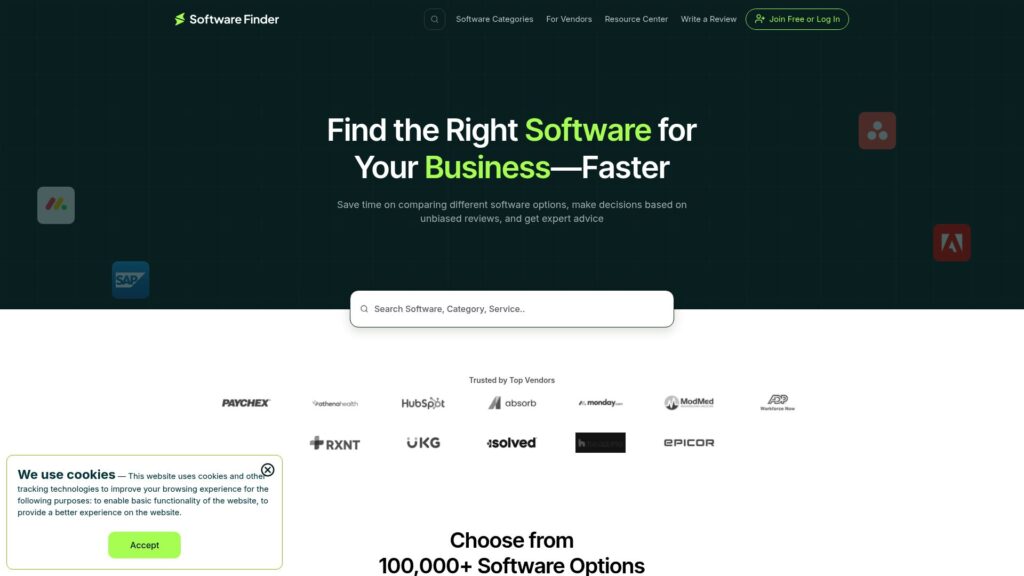
Software Finder helps businesses discover and compare software through detailed listings, reviews, pricing information, and category-based research. For startups offering SaaS or business software, it can put the product in front of people who are already researching solutions rather than simply browsing new launches.
Ask yourself: Are you looking for visibility, or are you trying to reach people who are already evaluating software?
Recent founder discussions raise exactly this question. One June 2026 discussion compares Software Finder with G2 and Capterra specifically on lead quality, conversions, and whether premium listings deliver visibility or actual results. Read the Reddit discussion
Software Finder also says its reviews incorporate user feedback, direct surveys, expert opinions, and hands-on testing, with reviews regularly updated. Read Software Finder’s review methodology
3. LaunchDB
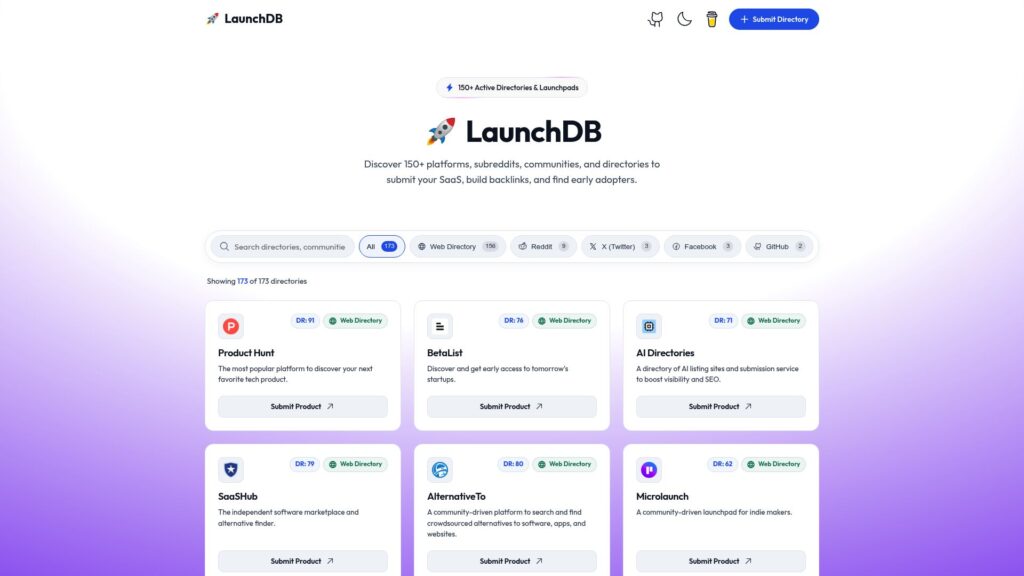
LaunchDB is a product discovery platform designed to help founders showcase a new product launch to builders, founders, and early adopters. It gives startups another channel for startup discovery, with products featured during a weekly launch cycle and kept available through launch archives.
For founders working on a new product launch, this provides an opportunity to get visibility beyond their own social channels and reach people interested in discovering new products.
Ask yourself: Do I want another one-day launch, or would keeping my product visible for several days give me a better chance of being discovered?
A founder-built LaunchDB discussion on Reddit says products stay live for 7 days, with the platform reporting a 15K+ mailing list and around 2,000 daily visitors at the time of the post. Read the LaunchDB discussion on Reddit
LaunchDB also received positive feedback from founders after crossing 150+ launch directories in June 2026, with one commenter calling it a “genuinely helpful extra channel for indie launches.” Read the discussion
4. DevHunt
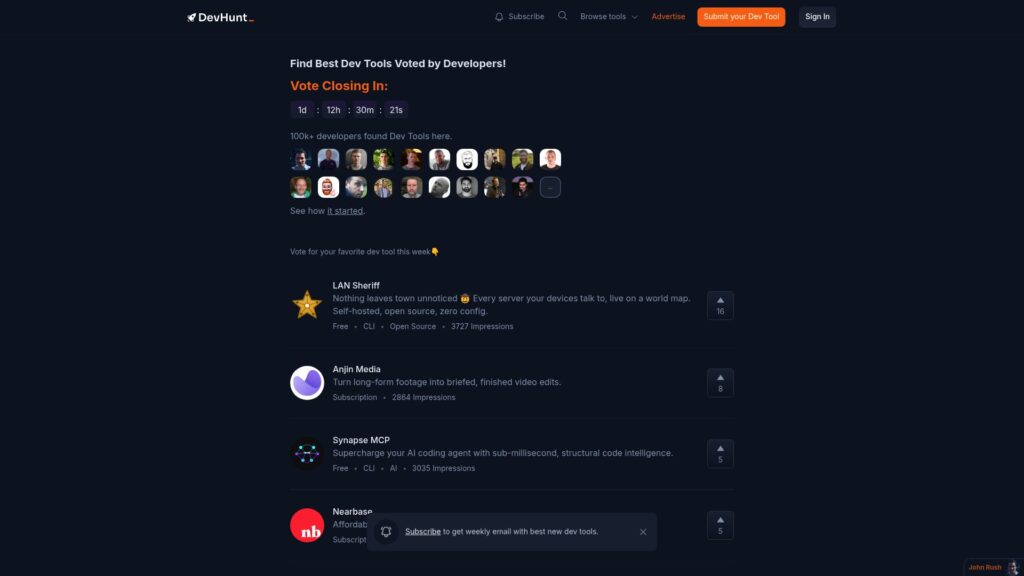
DevHunt is a product discovery platform built specifically for developer tools, including open-source projects, APIs, DevOps tools, AI developer products, and other technical software. Instead of competing for attention across every type of startup, it puts your product in front of a more relevant developer audience.
Ask yourself: If developers are your target users, would a developer-focused platform be more useful than a general startup launch site?
DevHunt currently has 16 reviews with a 5.0 rating on Product Hunt. Reviews highlight its developer-focused audience, GitHub-verified feedback, limited weekly competition, and straightforward launch process. One founder also reported getting leads and customers from DevHunt after advertising there. Read the DevHunt reviews
5. launchBuff
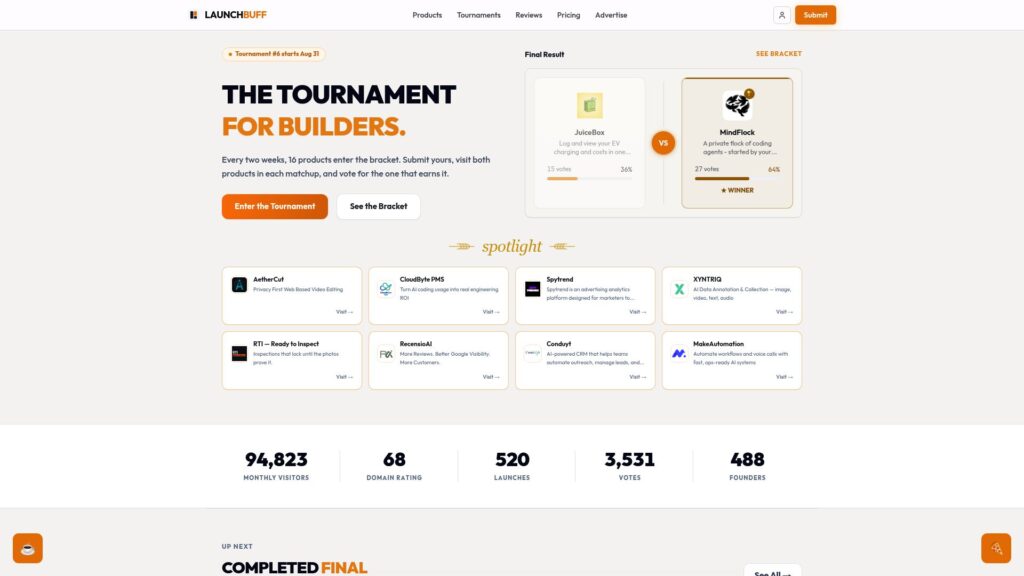
LaunchBuff takes a different approach to product discovery. Instead of letting a new product disappear after a single launch day, it puts 16 products into a head-to-head tournament that runs for 14 days. Founders can submit for free, compete for community votes, and receive a permanent listing page.
Ask yourself: Will my product get more attention from a launch where people actively compare and vote, rather than simply scrolling through a launch feed?
LaunchBuff has published 18 editorial product reviews, with each review covering areas such as ease of use, value, innovation, feature depth, and support. Read the LaunchBuff product reviews
There is also independent feedback worth considering. A founder who tested LaunchBuff Premium reported that the listing went live immediately, although they had only observed a crawler visit and no verified human referral at the time of writing. Read the founder’s full experiment
6. Tiny Startups
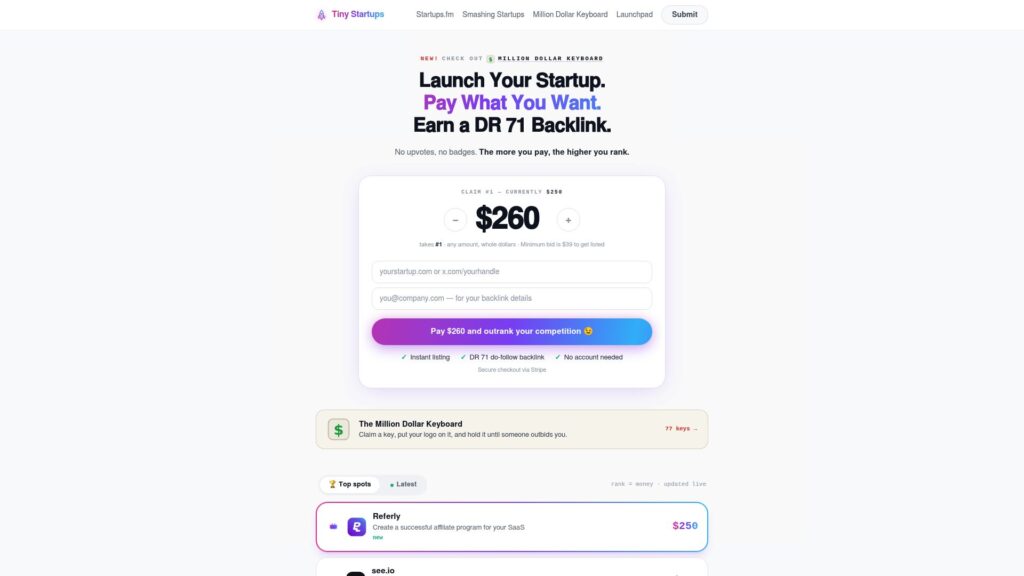
Tiny Startups is a startup discovery and launch platform for indie makers and early-stage founders. It gives small products a place to launch, get discovered by a founder-focused audience, and build visibility without needing the scale of a major launch platform. The platform currently offers free submissions alongside paid options.
Ask yourself: Is my product small enough to benefit from a focused founder audience, rather than competing for attention on a massive launch platform?
There is some useful independent feedback here. A June 2026 review described Tiny Startups as particularly useful for small and bootstrapped products, citing its founder audience and launch exposure, while also noting that free submissions can involve a queue. Read the Tiny Startups review
A separate May 2026 founder experiment also reported successfully submitting to Tiny Startups, while noting that the submission process required both a square logo and a 16:9 featured image. Read the founder’s experience
7. Startups.fm
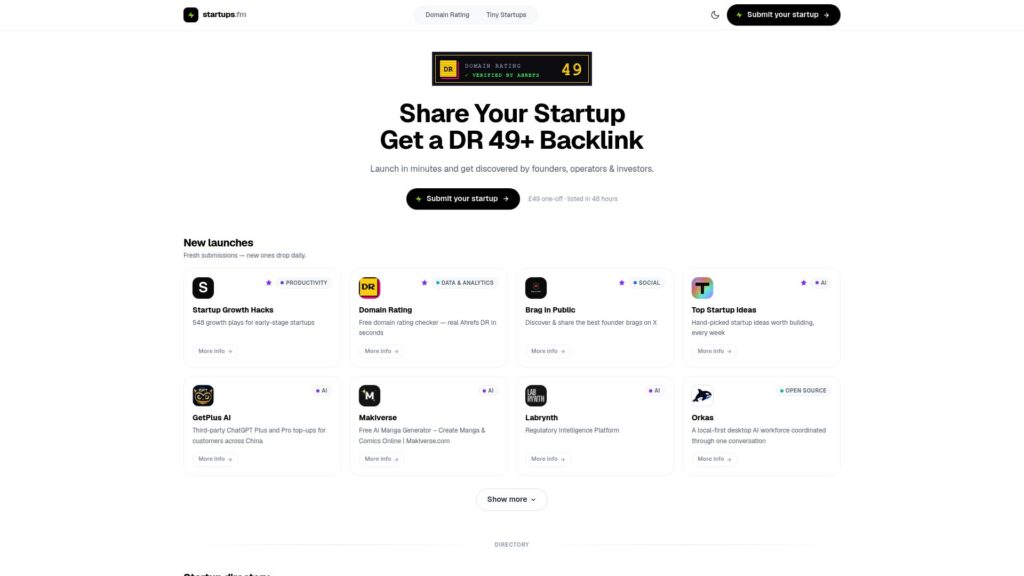
Startups.fm is a curated startup discovery platform that helps founders get their companies in front of founders, operators, and investors. Its directory currently contains 1,900+ hand-picked startups, organized by categories, locations, and collections, giving users multiple ways to discover companies beyond a launch feed.
For a startup listing, the bigger appeal is ongoing discovery rather than a single launch-day spike. Startups.fm says submissions are human-reviewed and currently cost £49 for a reviewed listing.
Ask yourself: Do I need another launch announcement, or do I want my startup to remain discoverable when people are researching companies in my category?
Startups.fm’s own recent directory guide describes it as a more permanent, structured record of startups rather than a leaderboard-style launch platform. Read the Startups.fm guide
A recent 2026 directory analysis also highlighted the importance of choosing platforms whose listings actually get indexed and have an audience beyond other founders, a useful question to consider before paying for any startup listing.
8. Scrappy Startups
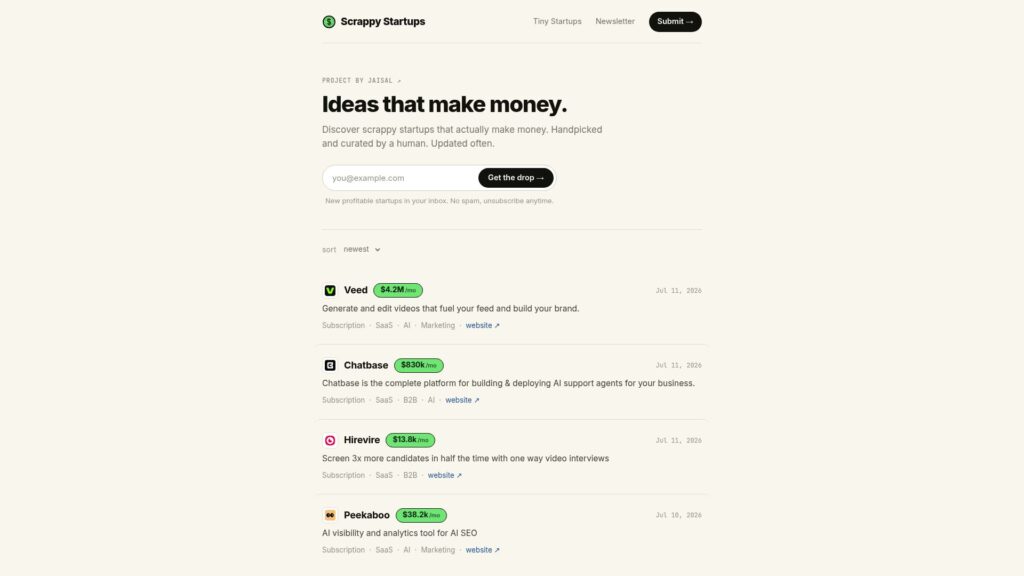
Scrappy Startups takes a different approach to startup discovery. Instead of focusing mainly on new product launches, it highlights bootstrapped startups with information about their businesses, revenue, and growth, making it more relevant for people interested in discovering startups with proven traction.
Ask yourself: Would being discovered alongside profitable bootstrapped startups give your company more credibility?
Scrappy Startups is positioned as a curated directory of profitable bootstrapped companies, but there are currently limited independent reviews and user experiences available about the platform itself. That means founders should consider its audience and listing value before relying on it as a major acquisition channel.
9. Fazier
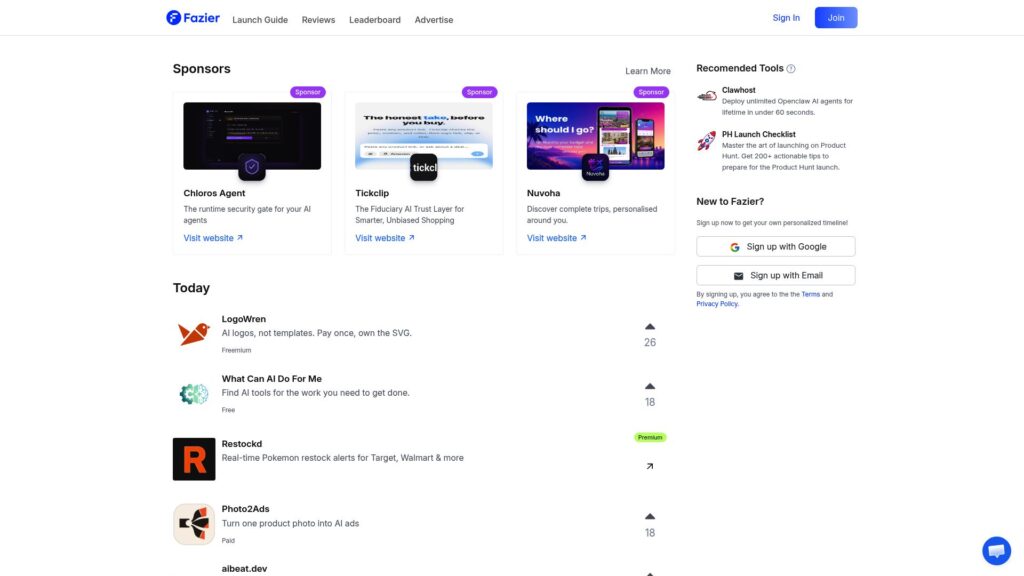
Fazier is a product discovery and launch platform where startups, SaaS products, AI tools, and indie products can launch on a daily board and compete on weekly and monthly leaderboards. Products also receive permanent listing pages, giving founders another route to startup discovery beyond launch day.
Ask yourself: Will launching on another platform actually give my product enough exposure to make the effort worthwhile?
There are some useful reviews and public feedback to consider. A recent 2026 review describes Fazier as useful for additional launch exposure and permanent discovery, while also noting that founders shouldn’t expect a listing alone to become a complete customer-acquisition strategy. Read the full Fazier review
Fazier also has active product pages with community votes and comments, giving founders visible feedback from people discovering their products.
10. TinyLaunch
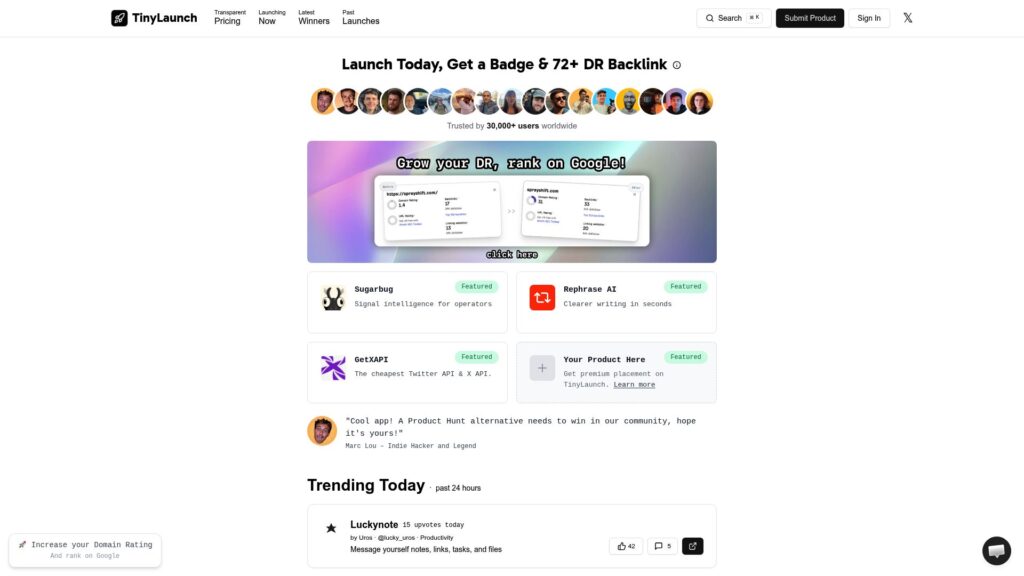
TinyLaunch is a product launch and discovery platform that helps startups get exposure, collect feedback, and build visibility beyond a single launch day. Its weekly launch format gives products multiple days of exposure, while top launches can receive badges and high-authority backlinks.
Ask yourself: Do I want my launch to generate actual visits and users, rather than just upvotes?
There is strong user feedback to consider. TinyLaunch features testimonials from founders reporting 100+ signups, 500 new visitors, sales, leads, and ongoing traffic after launching. A Reddit founder also highlighted TinyLaunch’s requirement that users visit a product before voting, arguing that this can produce higher-intent upvotes while adding some friction. Read the Reddit discussion
Looking specifically for SaaS submission platforms? Check out our guide to the 6 Best Platforms to Submit Your SaaS in 2026 for more options.
Frequently Asked Questions (FAQs) About Product Discovery Platforms
1. Which startup directories actually send real traffic?
It varies significantly by platform. Recent founder testing found that some directories generated meaningful traffic while others produced very little, so audience relevance matters more than simply having a listing. Foundigy is designed around product discovery and searchable product listings, giving startups another potential source of targeted discovery.
2. Do startup directories actually bring real users and signups, or mostly backlinks?
They can do both, but results depend on the platform, audience, and product. Some founders report getting traffic and signups, while others say directories mainly delivered SEO value. Foundigy focuses on making listings discoverable to people searching for relevant products, rather than treating the listing as only a backlink opportunity.
3. Do product discovery platforms help with SEO and Google indexing?
They can contribute to search visibility when the directory creates useful, crawlable pages that target relevant searches. Founder experiments in 2026 have reported SEO improvements from directory listings, although results aren’t guaranteed. Foundigy builds product listings around relevant keywords so founders can target searches related to their products.
4. Which product discovery platforms are actually worth the time in 2026?
There isn’t one platform that works equally well for every startup. Recent founder research shows substantial differences in traffic and conversion between directories. The better approach is to choose platforms based on your audience and goal; Foundigy can be particularly relevant when search visibility and targeted product discovery are priorities.
5. Are startup directories still useful if I have no audience or social media following?
They can provide an additional discovery channel when you don’t already have an audience, but they shouldn’t be your only marketing strategy. Some 2026 founders specifically use directories to reach people beyond their existing network. Foundigy can give a new startup a dedicated product page to begin building product discovery and search visibility even without a large social following.
6. Are product directories worth paying for?
Only when the platform provides something beyond a basic listing—such as a relevant audience, meaningful exposure, or useful long-term visibility. Founder discussions show skepticism toward directories that charge for listings without producing measurable results. Before paying, compare the audience and potential value; Foundigy offers founders a product listing designed around discovery and search visibility.
7. Which startup directories are good for SEO rather than just launch-day exposure?
Look for platforms where your listing can remain publicly accessible and discoverable after the launch. Recent founder research specifically contrasts long-term directory SEO with short-lived launch traffic. Foundigy is built with this longer-term approach in mind: your product listing can target relevant keywords and continue serving as a product discovery page beyond launch day.
Conclusion
Choosing a product discovery platform isn’t about finding the biggest name or submitting your startup everywhere. It’s about finding the platform that matches what you need—whether that’s early users, developer feedback, B2B exposure, launch visibility, or long-term search discovery.
The 10 platforms covered here take different approaches, so the best choice will depend on your product, audience, and growth stage. For founders looking to combine product discovery with search visibility, Foundigy offers a dedicated product listing that can target relevant keywords and help potential users discover your startup beyond the initial launch.
Ultimately, the goal isn’t simply to get your startup listed. It’s to get discovered by the right people.

Harman Singh is the founder of Foundigy and a digital marketing professional building his career in SEO, content, and the technology space. He is passionate about discovering emerging products, understanding how people find them online, and creating content that makes complex digital topics easier to understand. His work combines his experience in SEO with his interest in startups, technology, and the evolving digital landscape.