
5 Best Indie Hackers Alternatives for Indie Founders in 2026
Indie Hackers is one of those platforms that comes to mind when you think about communities for indie founders, bootstrappers, and people building startups on their own. It came to my mind too. I have personally promoted Foundigy on Indie Hackers, and I have to say, one of my posts received 19 comments from its audience. That kind of interaction is exactly what makes a founder community valuable.
The platform has also been known for sharing daily stories from founders building startups, reaching revenue milestones, launching products, and talking openly about what is working and what isn’t. But I have to say, Indie Hackers is not what it was before.
And honestly, the internet has changed too. Everyone is smarter about digital visibility now. Everyone wants to promote themselves, get attention for what they are building, share their achievements, and have the world see their product. That has changed the way online founder communities work, and Indie Hackers has not been immune to that shift.
But before we jump directly into the Indie Hackers alternatives, there is a bigger question worth asking: what actually happened to Indie Hackers? Between its growth years, the changes that followed, and the way its community evolved, there is more to the story than simply saying that the platform became less active.
When Did Indie Hackers Start Losing Momentum?
It is difficult to point to one exact moment when Indie Hackers started losing momentum. The interesting part is that complaints about declining activity and increasing self-promotion were already appearing before 2023.
2021: The First Clear Signs
In 2021, users were already questioning what had happened to the community. One Hacker News discussion described Indie Hackers as having become less active and more focused on self-promotion.
There was also evidence from within Indie Hackers itself. In December 2021, founder Jakob Greenfeld looked at the number of new products being posted and wrote that it was “declining rapidly.” He suggested that fewer people were using Indie Hackers to build in public, pointing to changes such as product launches no longer being featured on the front page.
Around the same period, another Indie Hackers discussion received dozens of comments from users complaining that the platform was becoming increasingly focused on marketing and self-promotion rather than genuine founder discussions.
2023: Stripe Steps Away
In March 2023, Indie Hackers became an independent business again, with Stripe remaining an investor. The founders described the move as a return to running the platform independently.
But it would be misleading to blame the change in ownership for the community’s problems. The complaints about engagement and self-promotion were already being discussed in 2021.
2025–2026: The Same Concerns Continue
More recently, community discussions have continued to raise concerns about self-promotion, spam, and AI-generated content. In late 2025, for example, users on the Indie Hackers subreddit were complaining about the amount of AI-generated content and the lack of moderation.
So, Indie Hackers did not simply disappear. The platform is still active, but the community has changed, and the complaints have been remarkably consistent: less meaningful discussion, more promotion, and more noise.
That is one reason founders today are looking for Indie Hackers alternatives, and other communities where they can actually connect with builders.
5 Best Indie Hackers Alternatives
| Platform Name | Why Consider It |
|---|---|
| Foundigy | Consider Foundigy if you want to submit your startup or product and build visibility through product discovery and SEO-focused listings. |
| Consider Reddit if you want to join active niche communities, ask questions, get feedback, and have ongoing conversations with other founders and users. | |
| Hacker News | Consider Hacker News if you are building a technical product and want to share it with a community heavily focused on technology, startups, and development. |
| Product Hunt | Consider Product Hunt if your main goal is to launch a product, get it in front of early adopters, and generate initial exposure and feedback. |
| Peerlist | Consider Peerlist if you want to launch your product while also connecting with developers, designers, founders, and other professionals in the tech community. |
1. Foundigy
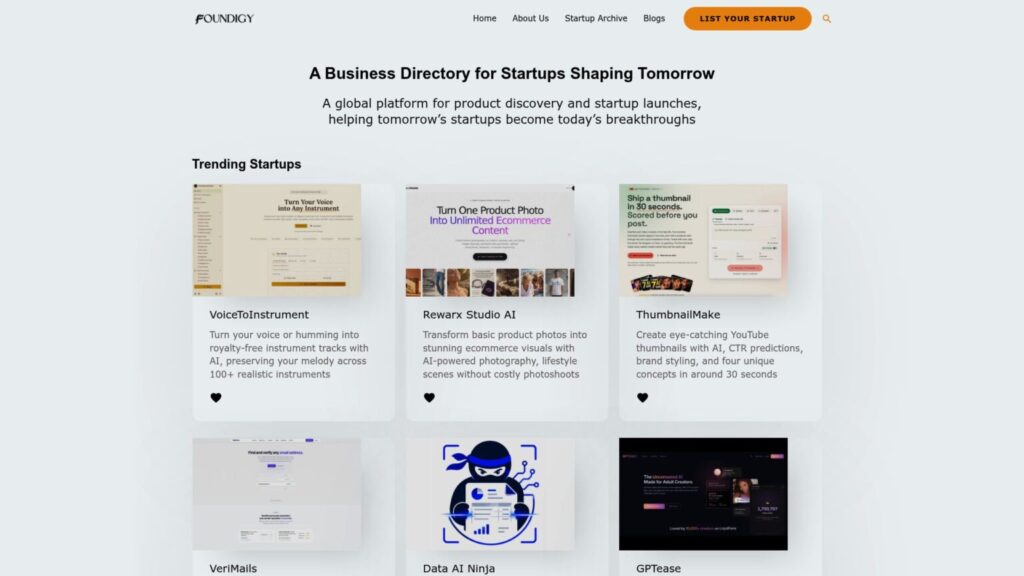
If you are looking for an Indie Hackers alternative where you can submit your startup or product and get it discovered by people searching for new software and online tools, Foundigy is worth considering.
Foundigy focuses on SEO-optimized product listings, with keyword integration helping listings target relevant search queries. This means your listing can potentially reach users who are actively searching for a solution like your product, rather than relying only on launch-day exposure.
Pricing:
Foundigy follows a freemium model. Free listings go through the regular review queue, so publication can take some time. A paid listing costs $15 and can be published within 24 hours.
Backlinks:
Every listing includes a dofollow backlink to the submitted product or startup website.
Launch your Product on Foundigy: Add Your Startup
2. Reddit

Reddit is worth considering if you are looking for an Indie Hackers alternative where you can have ongoing conversations with founders, developers, customers, and niche communities. Instead of having one central startup community, Reddit is divided into thousands of individual communities, so you can find discussions that closely match your industry, product, or target audience.
Pricing:
Reddit is free to use for organic participation. If you want additional exposure, Reddit also offers paid promotion through promoted posts, where you can set a campaign budget and pay for clicks.
Backlinks:
You can share links to your website or product where the relevant subreddit allows it, but Reddit does not guarantee a dofollow backlink. Its own guidelines recommend using self-promotional links thoughtfully, and some communities have much stricter rules or prohibit promotional content altogether.
3. Hacker News
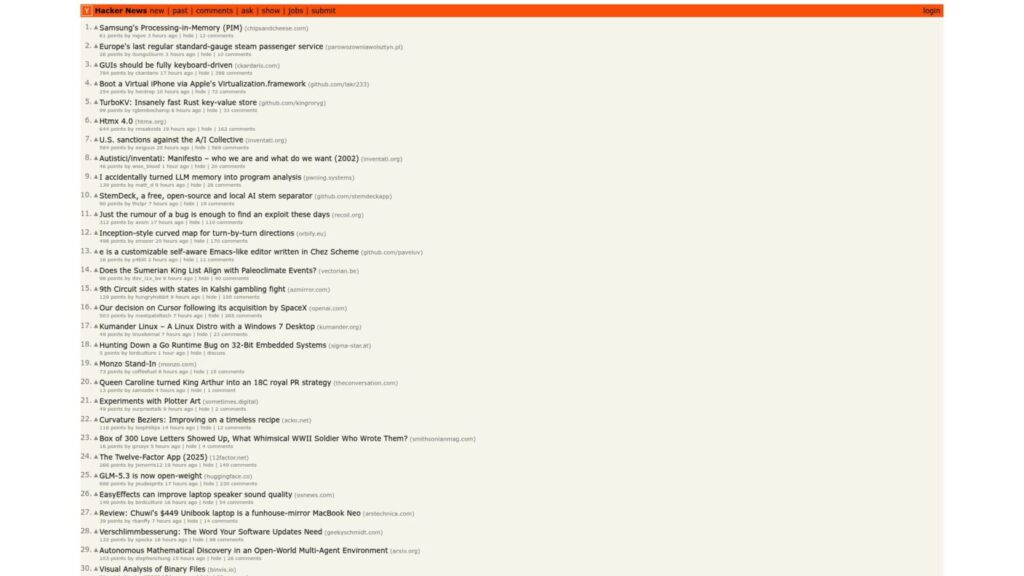
Hacker News is worth considering if you are building a technical product, developer tool, or startup and want to put it in front of a community interested in technology and how things are built. Its Show HN section is specifically designed for projects that you have personally made, allowing users to try them and discuss them with you.
Pricing:
Hacker News does not charge a fee to submit a Show HN or regular story. The platform is primarily community-driven, so visibility depends on the submission and how the community responds to it.
Backlinks:
Links to your website from Hacker News are no-follow, so they are mainly useful for referral traffic and visibility rather than passing SEO link equity.
4. Product Hunt
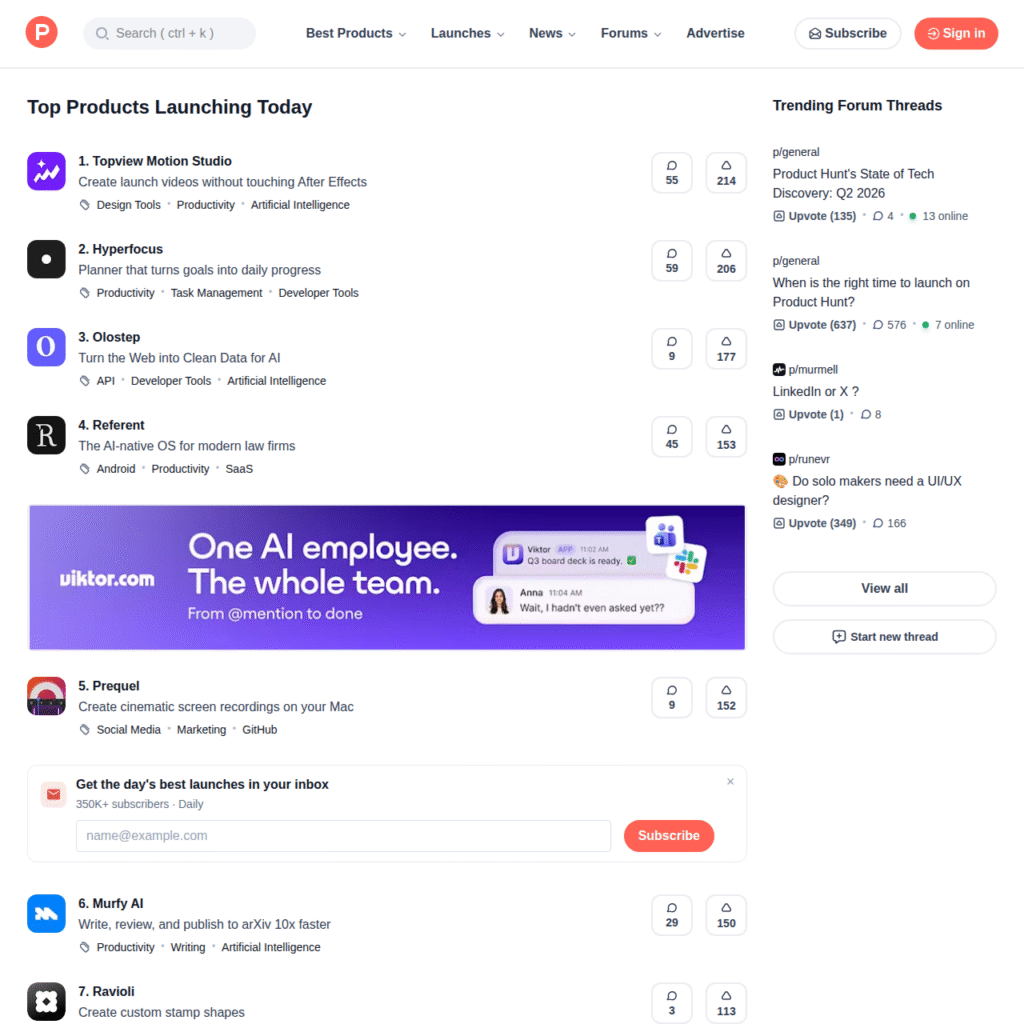
Product Hunt is one of the most established platforms for launching and discovering new products. If you are looking for an Indie Hackers alternative to get your startup in front of makers, entrepreneurs, early adopters, and tech enthusiasts, Product Hunt can be worth considering. The platform lets founders submit their own products, add relevant categories, and receive feedback and engagement from its community.
Pricing:
Product Hunt follows a free-to-use model, so you can launch your product without paying a submission fee. The platform also offers paid advertising if you want to extend your reach beyond the organic launch.
Backlinks:
Product Hunt provides a no-follow backlink to your product, so the listing is more useful for product discovery, referral traffic, and visibility than for passing traditional SEO link equity.
If you want to explore more platforms like Product Hunt, you can also check out our guide to Top 10 Product Hunt Alternatives to Launch and Promote Your Startup in 2026.
5. Peerlist
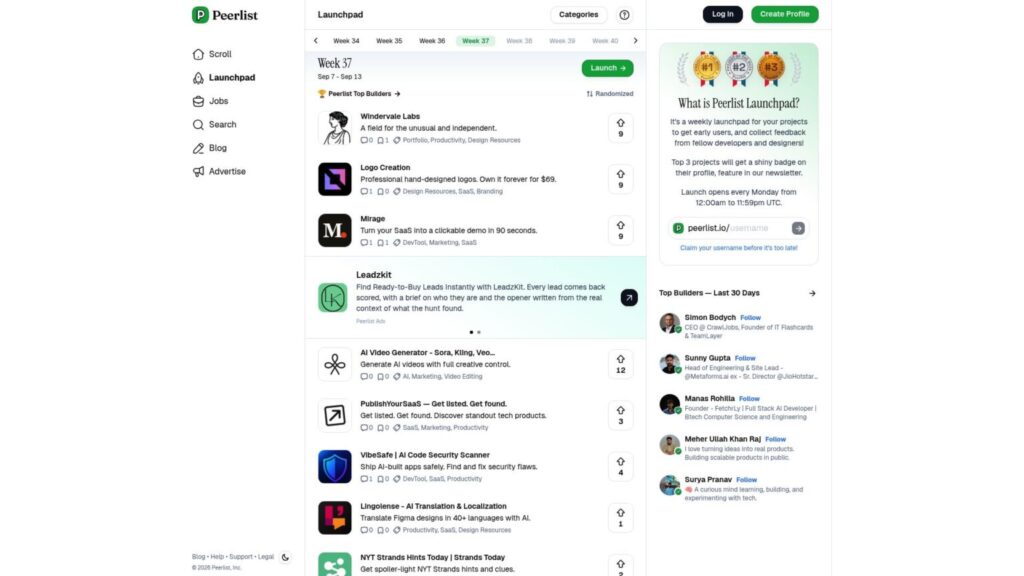
Peerlist is worth considering if you are looking for an Indie Hackers alternative built around builders, developers, designers, and founders. Its Launchpad gives you a dedicated place to launch your project, get feedback from the community, and put your product in front of people interested in new tech products.
Pricing:
Peerlist Launchpad is free to use, although you need a verified Peerlist profile to launch. Peerlist also offers paid advertising options for additional exposure.
Backlinks:
If your product finishes in the top 5 on the weekly Launchpad, you can earn a dofollow backlink from Peerlist. Projects outside the top 5 do not receive this backlink.
If you want to explore more platforms in this category, check out our guide to 5 Best Peerlist Alternatives for Product Discovery in 2026.
Frequently Asked Questions (FAQs)
1. What is the best alternative to Indie Hackers?
There is no single alternative that works for every founder. Reddit is useful for ongoing community discussions, Hacker News is suited to technical products, Product Hunt focuses on product launches, Peerlist offers a builder-focused Launchpad, and Foundigy focuses on product discovery and SEO visibility.
2. Why are founders looking for Indie Hackers alternatives?
Some founders are looking for alternatives because they want more active discussions, better product discovery, launch exposure, or access to a different type of audience. The right platform depends on whether your priority is community, feedback, launch visibility, or long-term discovery.
3. Which Indie Hackers alternative is better for SEO?
If SEO and search visibility are your priority, look for platforms that create indexable product pages and allow relevant information and links to your website. Foundigy specifically focuses on SEO-optimized product listings, while platforms such as Reddit, Hacker News, Product Hunt, and Peerlist serve different primary purposes.
Conclusion
Indie Hackers is still a useful platform for founders, but it may not offer the same experience or level of engagement that every founder is looking for. That is why exploring Indie Hackers alternatives can make sense if you want more community interaction, product discovery, launch exposure, or SEO visibility.
Reddit, Hacker News, Product Hunt, Peerlist, and Foundigy each approach product discovery and founder communities differently. The right choice depends on what you actually want from the platform — whether that is feedback, reaching early users, launching a product, connecting with other builders, or building long-term search visibility.
Instead of relying on one platform, you can also use several of these communities together to give your product more opportunities to be discovered.

Harman Singh is the founder of Foundigy and a digital marketing professional building his career in SEO, content, and the technology space. He is passionate about discovering emerging products, understanding how people find them online, and creating content that makes complex digital topics easier to understand. His work combines his experience in SEO with his interest in startups, technology, and the evolving digital landscape.